
Harnessing the potential of African Rangelands

Soil Carbon
Healthy soil is a major carbon pool but over 70% of African rangelands are moderately to severely degraded. Restoring these landscapes will be a potent weapon in the fight against climate change.

Biodiversity
Rewilding landscapes through the reintroduction of native species and ecological management practices enriches biodiversity at all scales and enhances the long-term carbon storage capacity of ecosystems.

Communities
Carbon finance is a catalyst in creating inclusive nature-based economies across Africa. Rewilded lands are more resilient to environmental and economic shocks, which helps protect local communities against the impacts of climate change.


A holistic solution
We partner with our customers from assessing a project’s feasibility all the way to project accreditation and monitoring.


Feasibility analysis


Carbon and biodiversity project execution


Ongoing monitoring and verification
Projects

Kavango‑Zambezi Transfrontier Conservation Area (KAZA) is one of the world’s largest transboundary conservation areas, spanning Angola, Botswana, Namibia, Zambia and Zimbabwe. Its forests, grasslands, wetlands and savannas support rich wildlife and human communities, but land degradation driven by human activities and environmental pressures now threatens the region’s ecological integrity.
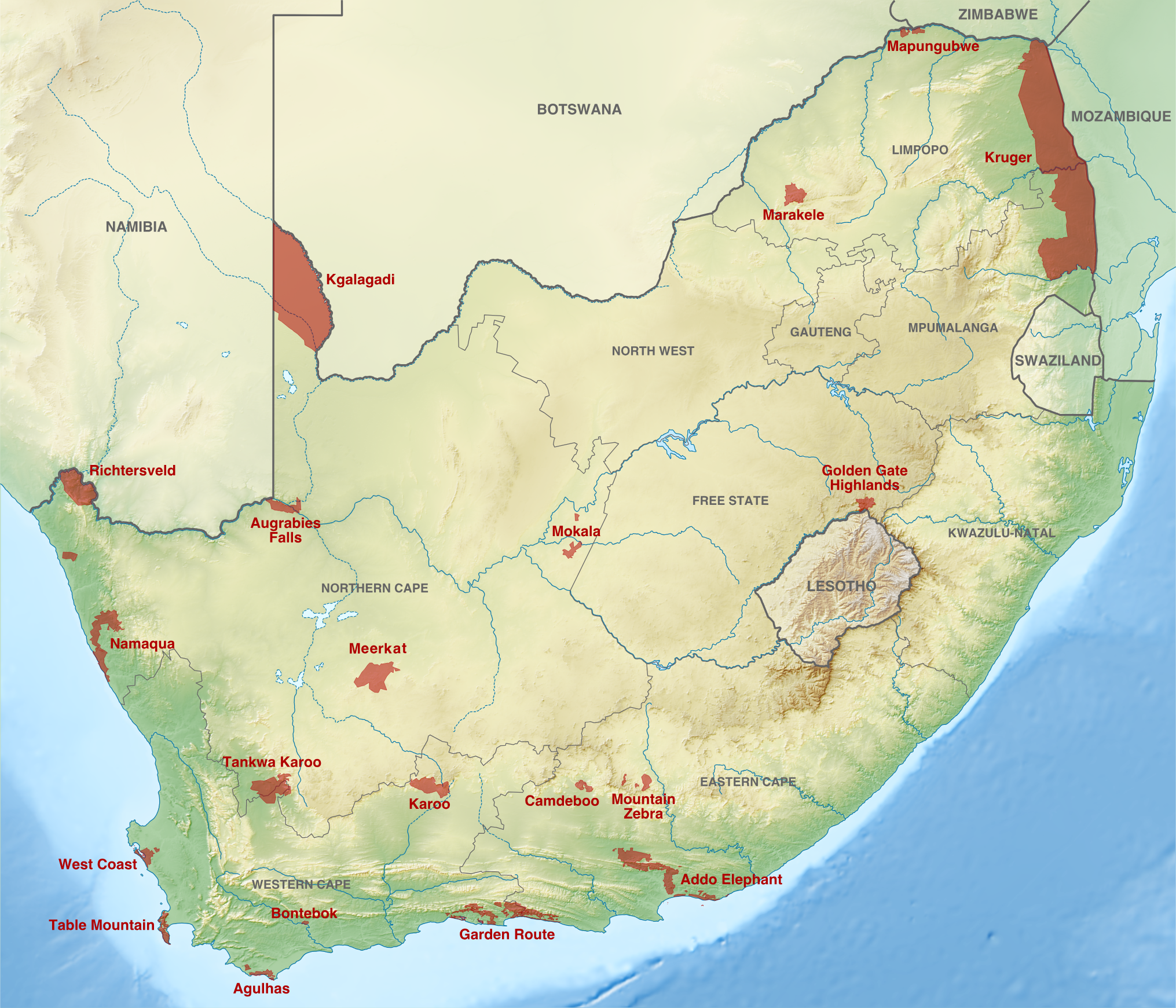
SANParks protects South Africa’s biodiversity through 21 national parks—including three World Heritage sites and ten marine protected areas—covering over 4 million ha on land and ~370,000 ha at sea. These parks comprise about 70% of state terrestrial protected areas and 22% of state‑managed marine areas, with five parks part of transfrontier conservation areas with neighbouring SADC countries.
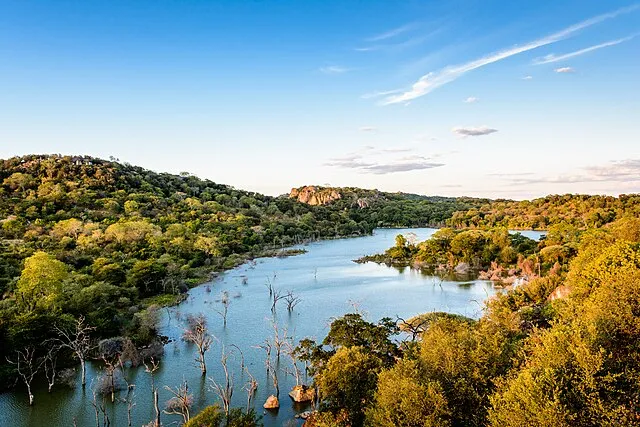
Singita’s lodges embody a reverence for nature and a commitment to memorable, conservation‑led experiences. Originating nearly a century ago with a 30,000‑acre Lowveld property that became part of Sabi Sand, the vision expanded across four countries while preserving a single purpose: to conserve wilderness and its wildlife.